
The Importance of Family Units
Why Family Matters
Family units are the cornerstone of human society, providing the essential framework within which individuals can grow, learn, and thrive. The family is the first place where children learn about relationships, values, and social norms. It serves as a primary source of love, support, and security, elements that are crucial for the healthy psychological and emotional development of children. In a nurturing family environment, children are more likely to develop self-esteem, resilience, and a sense of identity.
Furthermore, family units offer a consistent support system that helps children navigate the challenges and complexities of life. The support of family is particularly vital during the formative years when children are most impressionable and vulnerable. The guidance and care provided by family members can significantly influence a child’s behavior, attitudes, and future aspirations. Without this stable foundation, children may struggle to find their place in the world and develop the skills necessary to build healthy relationships.
In addition to emotional and psychological benefits, family units also play a critical role in the physical well-being of children. Families ensure that children receive adequate nutrition, healthcare, and a safe living environment. They also provide opportunities for physical activity and recreational activities, which are essential for the overall growth and development of a child. By meeting these basic needs, families create a stable environment where children can focus on their education and personal development.
The Role of Family Units in Personal Development
The influence of family units on personal development cannot be overstated. From the earliest stages of life, children look to their family members as role models. Parents and guardians, in particular, serve as the primary sources of learning and inspiration. Through everyday interactions, children absorb values, ethics, and social skills that shape their character and personality. This early learning sets the stage for how they will interact with the world and the people in it.
Family units also foster a sense of responsibility and accountability. By assigning chores and responsibilities, parents teach children the importance of contributing to the household and the broader community. These responsibilities help children develop a strong work ethic and a sense of accomplishment. Additionally, experiencing the consequences of their actions within a supportive family environment helps children understand the importance of making thoughtful decisions.
Moreover, family units provide a safe space for children to explore their interests and talents. Encouragement and support from family members can inspire children to pursue their passions and develop their skills. Whether it’s academic achievement, artistic expression, or athletic prowess, the backing of a loving family can give children the confidence to strive for excellence and reach their full potential.
Emotional Support and Mental Health Benefits of Family Units
Emotional support is one of the most significant benefits that family units offer. In times of stress or crisis, having a reliable support system can make all the difference. Family members provide a listening ear, a shoulder to cry on, and words of encouragement that can help children navigate difficult emotions and situations. This emotional support is crucial for building resilience and coping skills, which are essential for mental health and well-being.
The mental health benefits of being part of a family unit extend beyond immediate emotional support. A stable and loving family environment can reduce the risk of mental health issues such as anxiety, depression, and behavioral problems. Children who feel secure and valued are more likely to develop a positive self-image and a healthy outlook on life. This sense of security and belonging is a powerful protective factor against the challenges and stresses of growing up.
In addition, family units can provide a sense of continuity and stability that is vital for mental health. Knowing that they have a dependable support system can help children feel more secure and less anxious about the uncertainties of life. This stability allows them to focus on their personal growth and development, rather than being preoccupied with worries and fears. By fostering a nurturing and supportive environment, families play a crucial role in promoting mental health and emotional well-being.
Why Promised Land Ministries Chooses Homes and NOT Orphanages
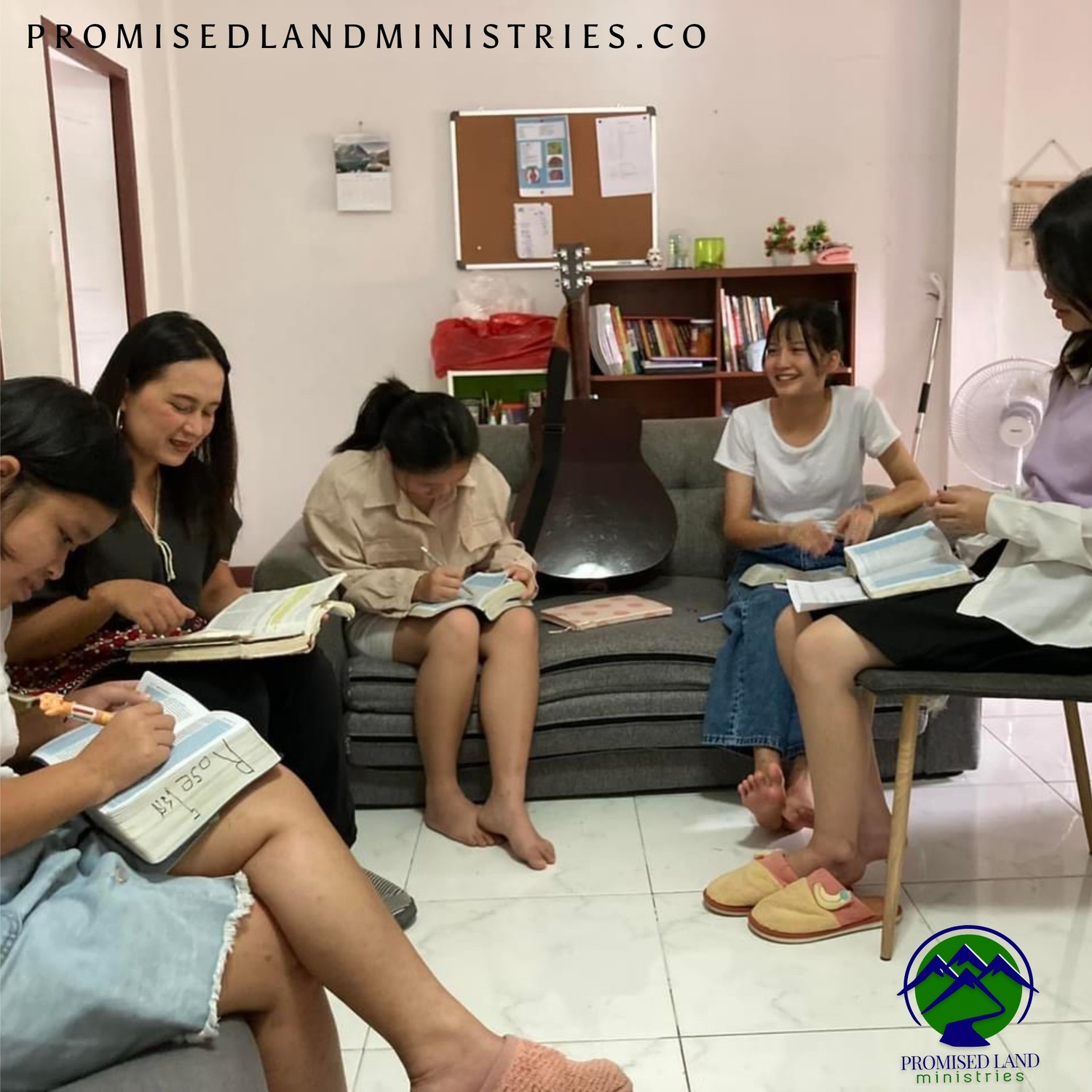
At Promised Land Ministries, we believe that children thrive best in family-like environments, which is why we choose homes with house parents over traditional orphanages. Orphanages, while often well-intentioned, can lack the personalized care and emotional support that children need to flourish. In an orphanage setting, children may not receive the individual attention and nurturing that is essential for their development. This can lead to feelings of neglect and abandonment, which can have long-lasting negative effects on their mental and emotional health.
In contrast, our model of placing children in homes with dedicated house parents provides a more personalized and nurturing environment. House parents serve as surrogate family members, offering the love, support, and guidance that children need to thrive. This family-like setting helps children develop a sense of belonging and security, which is crucial for their overall well-being. By creating a stable and loving home environment, we aim to provide the best possible conditions for children to grow and develop.
Moreover, our approach aligns with the principles of family-based care, which emphasizes the importance of stable, long-term relationships in the lives of children. Research has shown that children in family-based care settings are more likely to experience positive outcomes in terms of education, mental health, and social development. By choosing homes over orphanages, we are committed to providing the highest quality of care and support for the children in our programs.
Creating a Home Environment
Creating a home environment is about more than just providing a physical space; it’s about fostering a sense of belonging, security, and love. At Promised Land Ministries, we carefully select house parents who are committed to creating a nurturing and supportive environment for the children in their care. These house parents undergo extensive training to ensure that they are equipped to meet the emotional, psychological, and physical needs of the children.
One of the key elements of creating a home environment is establishing routines and traditions that foster a sense of normalcy and stability. Regular family meals, bedtime routines, and shared activities help create a sense of structure and predictability. These routines not only provide a sense of security but also offer opportunities for bonding and relationship building. By fostering a sense of togetherness and belonging, we help children feel more secure and valued.
In addition to routines and traditions, creating a home environment also involves providing opportunities for personal growth and development. We encourage children to pursue their interests and talents, whether it’s through academics, sports, or creative activities. By offering a range of opportunities and experiences, we help children discover their strengths and passions, and develop a sense of self-worth and confidence.
Help Support Us
We are dedicated to providing the highest quality of care and support for the children in our programs. However, we cannot do this alone. We rely on the generosity and support of our community to continue our mission of creating loving and nurturing homes for children in need. There are many ways that you can help support our work, from making a financial donation to volunteering your time and skills.
Financial donations are crucial for funding the various programs and services that we offer. Your contributions help us provide essential resources such as food, clothing, healthcare, and educational opportunities for the children in our care. Every donation, no matter how small, makes a significant difference in the lives of the children we serve. By supporting us financially, you are helping to create a brighter and more hopeful future for these children. Click here to donate!
In addition to financial support, we also welcome volunteers who are willing to share their time and talents. Whether it’s mentoring a child, helping with homework, or organizing recreational activities, there are many ways that you can make a positive impact. Volunteering not only benefits the children but also provides a rewarding and fulfilling experience for you. By getting involved, you become a part of our mission to create loving and nurturing homes for children in need. Click here to volunteer!
Conclusion
In conclusion, the importance of family units cannot be overstated. They provide the essential support, love, and guidance that children need to thrive. At Promised Land Ministries, we are committed to creating family-like environments that offer the best possible conditions for children to grow and develop. By choosing homes with house parents over traditional orphanages, we are dedicated to providing the highest quality of care and support. We invite you to join us in our mission and help create a brighter future for children in need.